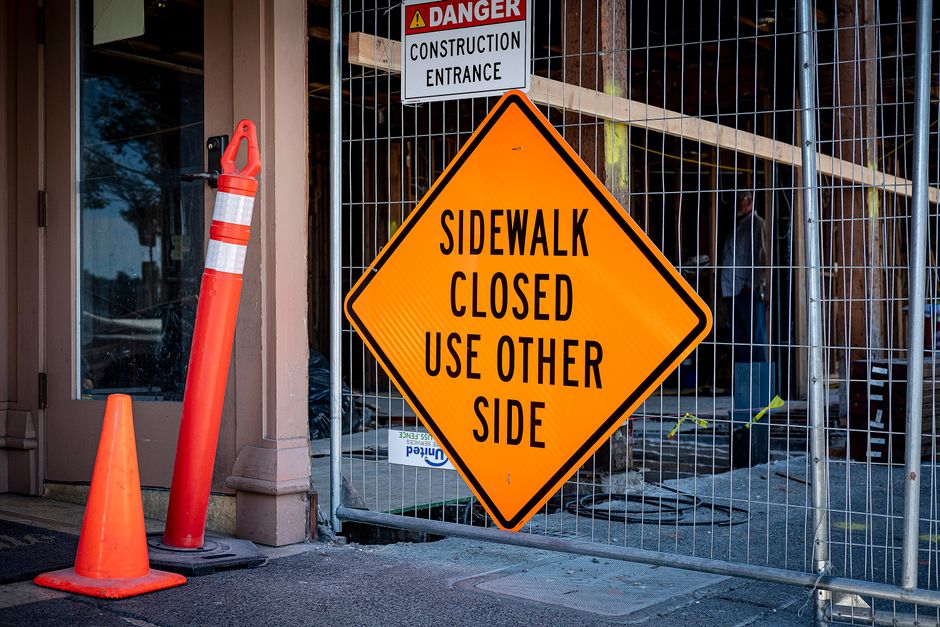
Do You Need Street-Closure Permits in Northwood?
Posted on 30/07/2026

If you are planning a move, a delivery, or any job that may spill onto the road, the question comes up fast: Do You Need Street-Closure Permits in Northwood? In practice, the answer depends on what you are doing, how much space you need, and whether you will affect traffic, parking, or pedestrian access. That can feel a bit fuzzy at first, especially if you are juggling boxes, timings, and neighbours who all want the road clear by tea-time.
This guide breaks the topic down in plain English. You will learn when street-closure approval may be needed, how the process usually works in London, what the benefits and risks are, and how to plan a smooth move without last-minute chaos. We will also cover real-world Northwood scenarios, common mistakes, and a practical checklist so you can make a sensible call.
Why street-closure permits in Northwood matter
Let's face it: roads in Northwood are not just bits of tarmac. They are working spaces for residents, school traffic, bins, delivery vans, cyclists, and emergency access. If you block a lane, reserve too much curb space, or hold a vehicle in a way that interrupts normal flow, a permit or formal approval may be needed. That is especially true for larger moves, specialist lifting jobs, or situations where a van has to sit for a while with ramps out and doors open.
The reason it matters is simple. A street closure is not only about your move going smoothly; it is also about keeping the road safe and usable for everyone else. A few minutes of poor planning can create a surprising amount of friction. You know the sort of thing: someone cannot get past, a neighbour reverses awkwardly, or a delivery driver decides your corner is the worst possible place to stop. Nobody enjoys that.
For many domestic moves, you will not need a full street closure. But if access is tight, if the road is narrow, or if loading will take time and need controlled parking, you may need extra permissions or traffic management. This is where planning matters more than guesswork. For moves on awkward streets, it is often wise to review practical access advice alongside your parking plan, such as the guidance in this Northwood narrow-roads article.
Street-closure permits also reduce the chance of arguments on the day. When people see cones, signage, and a proper arrangement, they understand the job is official. It is one of those small things that quietly lowers stress. A bit of order goes a long way.
How street-closure permits in Northwood usually work
There is no single universal process that applies to every street job, because the details depend on the road, the type of activity, and the local authority involved. Still, the general structure is familiar. You identify the need, check the access restrictions, apply for permission if required, and arrange the right controls for the day.
In simple terms, a street-closure permit or road occupation approval may be relevant when a vehicle, container, skip, lifting equipment, or loading activity extends beyond ordinary parking behaviour. If the job involves occupying more of the highway than a normal parking space, that is your signal to pause and check. Not everything needs a closure, of course. Sometimes a controlled parking arrangement is enough. Sometimes traffic cones and a short-term suspension are the better fit. Sometimes, to be fair, the answer is just careful timing and a smaller van.
For removals, the practical question is often not "Do I need to shut the road?" but "Can I complete the job without causing obstruction?" That distinction matters. A move with a well-placed van, a short loading window, and clear communication may need nothing more than sensible planning. On the other hand, a busy road near a station, a cul-de-sac with no turning room, or a property with a long carry distance may need more formal coordination.
If you are dealing with a particularly tight property layout, it helps to think beyond the permit itself and consider the actual vehicle setup too. The wrong van size can turn a manageable job into a messy one, which is why local access planning and van choice often go hand in hand.
Key benefits and practical advantages
Getting the permissions right can feel like admin, but it pays off in ways that are easy to miss until something goes wrong.
- Safer loading and unloading: You reduce the chance of rushed lifting, awkward manoeuvres, and sudden traffic pressure.
- Better neighbour relations: People are generally far more patient when a move is clearly planned.
- Less disruption: A structured arrangement is usually cleaner than trying to improvise on the pavement.
- Reduced risk of fines or complaints: If a street occupation is needed, it is better to know before the van arrives.
- Smoother timing: A proper plan keeps the day moving, which matters when you are paying for labour, van time, or both.
There is also a quieter benefit: confidence. You sleep better the night before when you know the road access has been thought through. That sounds small, but on moving day small things matter. A lot.
For example, if you are moving bulky furniture and need a safe loading position, the right setup can make a huge difference. You may also find it useful to read about furniture removals in Northwood if your move includes larger items that require extra coordination.
Who this is for and when it makes sense
This is not just for large commercial works. Plenty of everyday situations can trigger the need for permission or at least a check.
- Homeowners moving out of or into a property on a narrow residential road
- Tenants in flats where the van needs to stop on a restricted street
- Landlords arranging bulk moves or clearance work
- Office managers relocating equipment or archive storage
- Families moving heavy items such as wardrobes, pianos, or white goods
- Anyone using a larger removal vehicle that may occupy more than a standard parking bay
It tends to make sense when access is constrained. Think of streets near Northwood Station, roads with a sharp bend, properties with limited frontage, or areas where parking is already tight by mid-morning. If the move is happening during school-run hours or around commuter traffic, the road can get busy quickly. A well-timed booking matters more than people expect. One wrong hour and the whole street seems to wake up all at once.
If you are not sure whether the job is simple enough to do without extra permission, it is worth reviewing your broader move plan too. A calm, organised approach often starts with planning for a calmer house move and keeping stress low from the start.
Step-by-step guidance
Here is a practical way to work through the decision without overcomplicating it.
- Check the site layout. Look at the road width, the parking situation, and how close the vehicle can get to the entrance.
- Estimate loading time. A small number of boxes is one thing. A house full of furniture is another. Be honest with yourself here.
- Consider the vehicle size. A larger van may need more standing room than a car or small delivery vehicle.
- Think about public impact. Would people need to step into the road? Would traffic be forced to stop? Would another vehicle be unable to pass?
- Confirm whether formal permission is required. If the situation goes beyond normal parking or loading, check before the move day.
- Book early if needed. Street-related approvals are rarely the kind of thing you want to leave until the morning of the move.
- Prepare signage and communication. Let neighbours know if the road will be busy, and keep everyone informed about timing.
- Build in a buffer. Traffic, late arrivals, and loading delays happen. They just do.
A useful rule of thumb: if you are asking yourself whether the vehicle or activity will briefly inconvenience the street, that is often the moment to check. Better to spend ten minutes confirming than an hour trying to fix a problem later.
For practical moving preparation, a good packing routine also helps you avoid slowdowns on the day. The tips in this packing guide can make a real difference if boxes are still being sealed at the last minute.
Expert tips for better results
In our experience, the best moves are the ones that feel slightly boring. That is a compliment. Boring means organised.
- Measure the frontage first. If you know exactly where the van can stand, the day becomes much easier to manage.
- Choose the quietest time you can. Early starts can be kinder to everyone, especially in residential streets.
- Keep the loading route clear. A clutter-free path saves time and reduces trip hazards.
- Use the right vehicle size. Smaller is not always better, but oversized is rarely ideal either.
- Warn neighbours politely. A quick note or conversation can stop awkward surprises.
- Have a backup plan. If the intended stopping point is blocked, know your alternative before you arrive.
If your move includes awkward or heavy items, the loading plan deserves extra care. For example, lifting a piano, sofa, or mattress without enough clearance can turn a tidy move into a scramble. The article on professional piano moving is a good reminder that not every item should be handled the same way.
And here is a small but useful thought: do not build your whole day around a perfect parking spot. Streets change by the hour. A refuse lorry appears, someone returns from the shops, and suddenly the plan has to flex. A little flexibility saves a lot of frustration.

Common mistakes to avoid
These are the errors that tend to create avoidable stress.
- Assuming loading is always fine. Ordinary loading is not the same as occupying the road in a way that affects traffic or safety.
- Leaving checks until the final day. That can leave you boxed in, especially if you need approval, signage, or coordination.
- Choosing the wrong van size. Too small means multiple trips; too large can make access worse.
- Ignoring local access quirks. Northwood has a mix of residential roads, junctions, and busier through-routes, so one-size-fits-all planning just does not cut it.
- Failing to tell the team about restrictions. If the crew arrives expecting open access and finds a tight lane, time is lost immediately.
- Forgetting waste and packing leftovers. Loose items, old boxes, and rubbish can block footpaths and create extra issues.
There is a related issue people often overlook: disposal rules. If the move involves clearing waste or furniture, it is smart to think about it separately, especially if you are leaving behind bulky items. The guide on Hillingdon Council waste rules for Northwood removals is helpful for understanding that side of the move too.
A quick note from experience: the most stressful jobs are rarely the biggest ones. They are the ones with vague assumptions. Vague is expensive. Vague is also annoying.
Tools, resources and recommendations
You do not need fancy software or a truckload of paperwork to get this right. What you do need is a clear picture of the job and a few practical tools.
- Measuring tape: Useful for checking frontage, gate widths, and furniture dimensions.
- Phone camera: Take photos of the street, entrance, and loading area so you can assess access properly.
- Moving checklist: Keep one simple list rather than five half-finished ones.
- Box labels: These speed up unloading and reduce the amount of time the van stays parked outside.
- Protective wraps and blankets: Helpful for safeguarding furniture when loading is tight.
It is also worth reviewing broader move-prep resources so the road plan fits into the rest of the day. If you are trying to get everything sorted in one go, you might benefit from pre-moving-out cleaning tips and decluttering strategies for your move. Less clutter means less time on the pavement. Simple, really.
For larger jobs, it can help to choose support that matches the scale of the move rather than forcing everything into a rushed DIY approach. That is where a good overview of removal services can be useful when you are weighing up your options.
Law, compliance and best practice
Street closures, road occupations, and parking suspensions are usually handled through local authority processes and wider highway rules. The exact requirements can vary, so the safest approach is to treat each job on its own merits rather than assuming last week's arrangement will work again. A road that is fine for a quick van stop may not be fine for a longer closure or controlled loading zone.
The key compliance idea is straightforward: if your activity affects public access, safety, or traffic flow beyond ordinary use, it may need formal approval. That could involve a permit, a temporary suspension of parking, or a traffic management arrangement. For some jobs, especially those involving limited space, safety equipment, or extended roadside loading, best practice is to plan early and keep a written record of what has been agreed.
Good practice also includes:
- checking restrictions before booking the van
- avoiding obstruction of pavements, crossings, and driveways
- keeping escape routes open for residents and emergency access
- using suitable signage where appropriate
- making sure the loading crew understands the plan
If you are in any doubt, the sensible move is to seek clarification before the day itself. That is not overcautious; it is just good planning. And honestly, a quiet five-minute check can save a very noisy half-hour later on.
Options, methods and comparison table
Not every move needs the same level of road management. Here is a practical comparison to help you think it through.
| Option | Best for | Pros | Watch-outs |
|---|---|---|---|
| No special permission | Short stops, light loading, low-traffic streets | Quick, simple, low admin | Only works when access is genuinely straightforward |
| Controlled parking or loading arrangement | Tighter residential streets or moderate loading needs | Balances access with road use | Needs advance planning and clear timing |
| Street-closure permit or road occupation approval | Longer jobs, restricted roads, more complex access | Safer and more organised | More admin and usually more lead time |
| Full traffic management support | Higher-risk or highly disruptive work | Best control of safety and flow | Usually only worth it for specific scenarios |
For many Northwood moves, the right answer is somewhere in the middle. A full closure is rarely the starting point. It is usually the option you consider when the road layout, traffic pressure, or load size makes simpler arrangements unrealistic.
If the move involves a flat, stairs, lift access, or an awkward block layout, you may also want to consider how access affects the overall schedule. The advice in this Moor Park Estate access guide is a good example of how building layout changes the plan.
Case study or real-world example
Imagine a family moving from a semi-detached home near a narrow Northwood side road. The house itself is straightforward enough, but the road has parked cars on both sides, and the pavement is just wide enough for one person with a suitcase, not a sofa. The removal team can fit a medium van on the street, but only if a clear loading space is reserved ahead of time.
In that case, a full street closure may not be necessary. What the family really needs is a sensible parking arrangement, a timed arrival, and a crew that knows how to work efficiently. They measure the frontage the night before, move boxes to the hallway, and keep the largest items ready to go first. The van arrives early, the load is completed in one run, and the road disruption is limited. Nice and tidy.
Now compare that with a second scenario: a property where a large van would block half the carriageway, with no safe turning space and only a short window before school traffic starts. That job may need a more formal solution. Not because it is dramatic, but because the road itself makes improvisation risky.
What this shows is that the answer to Do You Need Street-Closure Permits in Northwood? is often about the real conditions on the day, not just the size of the move. That is why local knowledge matters. A route that looks fine on a map can feel completely different when a van, neighbours, and a pile of furniture are all in the mix.
Practical checklist
Use this checklist before moving day. It keeps the decision grounded.
- Confirm the exact address and road layout
- Check whether the van can stop without blocking traffic
- Estimate how long loading will take
- Decide whether the vehicle size is appropriate
- Review whether any permit, parking suspension, or road arrangement is needed
- Tell neighbours if access will be affected
- Prepare boxes, labels, wraps, and tools in advance
- Keep a clear path from property to van
- Make sure heavy items are handled safely
- Leave a time buffer for traffic, delays, or last-minute changes
If you are still sorting the physical side of the move, it may help to look at packing materials and box supply advice too. A bit of preparation now avoids a lot of back-and-forth later. Also, fewer open boxes means fewer awkward trips across the pavement. Your ankles will thank you.
For useful support with moving materials, see packing and boxes in Northwood. If you are moving a flat rather than a house, flat removals in Northwood may also be relevant to your planning.
Conclusion
So, do you need street-closure permits in Northwood? Sometimes yes, sometimes no. The real answer depends on how much of the road your move will affect, how long the vehicle needs to stay put, and whether public access will be disrupted. If the job is simple and brief, you may only need good timing and a sensible loading plan. If access is tight, the road is narrow, or the move is likely to obstruct traffic, formal permission or a managed arrangement may be the right move.
The best takeaway is this: check early, plan realistically, and do not assume the road will simply sort itself out. Northwood moves can be smooth and surprisingly calm when the access side is handled properly. A little preparation goes a very long way.
Get a free quote today and see how much you can save.
And if you are still weighing up the safest way to move awkward items, keep your plan simple, keep your timing tight, and give yourself a bit of breathing room. That is usually where the calm starts.