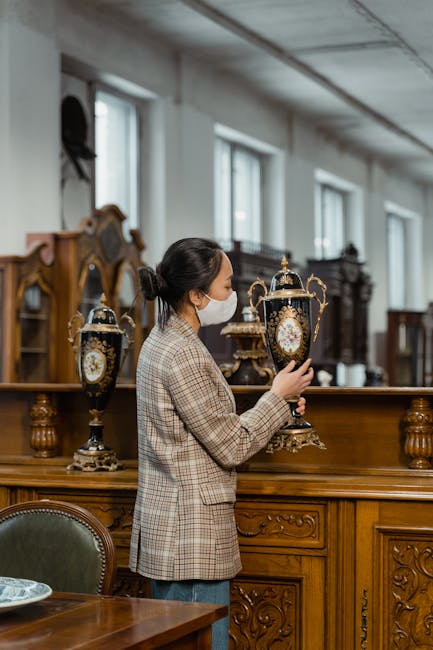
Moving Antiques from Northwood Hills: Risk & Care
Posted on 11/06/2026
Moving Antiques from Northwood Hills: Risk & Care
Moving antiques is not quite the same as moving a wardrobe or a set of boxes. A chipped veneer, a loose joint, or one bad lift down a tight staircase can turn a prized family piece into an expensive repair. If you are planning Moving Antiques from Northwood Hills: Risk & Care, the real challenge is not just transport; it is protecting age, finish, structure, and sentimental value all at once. That means thinking ahead, packing properly, and choosing the right handling method for the piece in front of you, not the one you wish it were.
In Northwood Hills, where properties can have narrow hallways, awkward turns, and the usual mix of stairs, parking pressure, and time constraints, antique moving needs a calm, methodical approach. This guide walks you through the risks, the care measures that actually matter, and the steps that help you move confidently without treating a fragile cabinet like flat-pack furniture. Let's face it, antiques tend to survive centuries only to be tested by a bad move on a wet Tuesday morning.
Why Moving Antiques from Northwood Hills: Risk & Care Matters
Antiques are vulnerable in ways that modern furniture usually is not. They may have old glue, hand-finished surfaces, hidden cracks, veneered panels, or delicate joints that have held together for decades simply because nobody has stressed them too hard. A slight twist during lifting can open a joint. A bit of damp can bloom into stain or mould. Even dust and grit can abrade polished surfaces if items are wrapped badly.
Northwood Hills adds its own moving realities. In many homes, access can be constrained by stairwells, porch steps, tight parking, or narrow internal doorways. That makes the route just as important as the item itself. A beautiful sideboard might be perfectly stable once it reaches the lorry, yet still suffer damage while being angled round a banister or slid across a threshold. If you want the whole move to feel manageable, you need to plan for the route, the weather, the lift points, and the final placement at the new address.
The other reason this matters is emotional. Antiques are often tied to family memories, inheritance, or a long collecting habit. People do not usually say, "it's only a cabinet." They say, "that was my grandmother's." That changes the level of care you bring to the job. It should, anyway.
Expert summary: the safest antique move is rarely the fastest one. Protect the finish, stabilise the structure, and make every lift deliberate. That simple rule prevents more damage than any fancy tool.
How Moving Antiques from Northwood Hills: Risk & Care Works
The process starts well before the van arrives. Good antique moving is really a chain of small decisions: identify the item correctly, measure it against exits and stairwells, decide whether it should be dismantled, wrap it in the right materials, and assign enough people to move it without strain. Skip one of those decisions and the rest becomes a bit wobbly.
For lighter antiques, you may be able to move them with careful two-person handling, padded blankets, corner protection, and a clear path. For heavier or more fragile pieces, professional support is often the safer option because the risk is not only damage to the item; it is also injury from overexertion or a sudden shift in balance. If you are already thinking about how to manage awkward lifting, this practical guide on efficient strategies for lifting heavy by yourself is a useful companion read, although antiques usually deserve a far more cautious approach than solo lifting.
Transport itself should be stable and low vibration. Antique furniture does not like bouncing around. A well-loaded van uses straps, spacing, and padding so items cannot knock together. If a piece has drawers, doors, glass, or loose fittings, those parts should be secured separately rather than left to rattle during transit. And when you reach the destination, the same patience applies in reverse: clear the route, check thresholds, and only then position the piece.
It sounds simple. In practice, there is a lot going on. But that is exactly why a structured method matters.
Key Benefits and Practical Advantages
Taking care with antique moving is not just about avoiding breakage. It also makes the whole move calmer, more predictable, and usually more cost-effective than rushing and repairing later. Nobody enjoys paying for a restoration that could have been prevented with a few extra minutes of planning.
- Lower risk of physical damage: careful wrapping and stable loading help protect finishes, joints, glass, marquetry, and delicate ornamentation.
- Better protection of value: even small scratches can affect the look and, for collectors, the resale value or provenance appeal of a piece.
- Reduced handling stress: when the item is measured, prepared, and routed properly, the move feels much less frantic.
- Safer for everyone involved: antiques can be awkwardly weighted or deceptively heavy, so the right handling reduces strain injuries.
- Cleaner delivery: good wrapping keeps dust, moisture, and road grime away from polished wood, upholstery, or metalwork.
There is also a planning advantage. Once antiques are correctly identified and prioritised, the rest of the move becomes easier to sequence. That is especially helpful if you are coordinating with other possessions such as sofas, mattresses, or appliances. If you need general packing support too, the article on packing effectively when moving house fits neatly alongside an antique move plan.
Who This Is For and When It Makes Sense
This kind of careful approach is for anyone moving one or more valuable, sentimental, or fragile items. That includes inherited furniture, carved mirrors, display cabinets, clocks, writing desks, occasional tables, ceramic pieces, and art objects that need more than a blanket and a hopeful attitude.
It makes particular sense if you are:
- moving out of a home with narrow internal access or stairs;
- sending items to storage before a renovation;
- combining antiques with a general house move;
- handling pieces with glass, veneer, inlay, or loose joints;
- moving on a schedule that does not leave room for mistakes;
- unsure whether an item should be dismantled or kept intact.
Not every antique needs a specialist crate, to be fair. Some well-built pieces can be moved safely with thoughtful wrapping and experienced handling. But if an item is rare, unusually heavy, structurally tired, or emotionally irreplaceable, the decision usually leans toward more protection rather than less. Ask yourself: if this piece caught on a doorway, would I forgive myself for taking the shortcut?
Step-by-Step Guidance
1. Identify the antiques and their vulnerabilities
Start by listing every item that needs special treatment. Note whether it has glass, loose drawers, exposed carving, veneer, painted surfaces, or signs of movement in the frame. A quick phone photo of each piece can help you remember how it looked before the move.
2. Measure everything properly
Measure height, width, depth, and any protruding features such as handles or finials. Then measure doorways, stair landings, lifts, and turning points. In Northwood Hills, the awkward bit is often not the van; it is the bend in the hall or the awkward front step you barely think about until you are standing there with a heavy table.
3. Decide whether to dismantle
If the item can be safely disassembled without weakening it, that may reduce risk. Remove drawers, shelves, loose legs, and detachable glass only if they can be stored and labelled carefully. If not, leave the piece intact and protect it in one unit. Sometimes less fiddling is better.
4. Wrap with the right materials
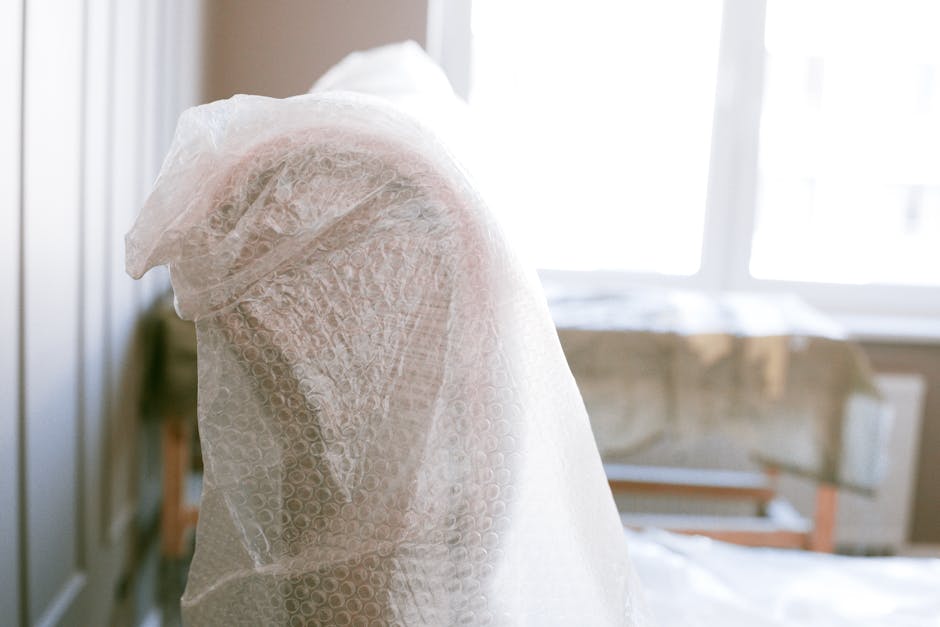
Use clean packing paper, soft blankets, corner guards, bubble wrap where appropriate, and tape that does not touch delicate finishes. Avoid wrapping that traps moisture against wood for too long. Antique surfaces need protection, but they also need to breathe a little. This is one of those details that sounds fussy until you see a damp patch emerge under plastic wrap. Not ideal.
5. Secure the route
Clear the path from the room to the vehicle. Open doors, protect floors, remove trip hazards, and make sure the route is ready before lifting begins. If the move involves a larger van or limited street access, it helps to understand local access conditions too. A practical read on HA6 moves, narrow roads, and van size advice can help you think through access in the wider Northwood area.
6. Load with stability in mind
Place the heaviest items low and use straps or soft barriers to stop movement. Never let antique pieces knock against harder furniture. If the van is partly full, use padding so nothing slides into the antique during braking.
7. Unload slowly and place carefully
When the piece reaches its destination, resist the urge to rush. Check the room first. Confirm the intended position. Then bring the item in, unwrap it where space allows, and inspect it before final placement. A calm last mile is often what saves the day.
Expert Tips for Better Results
A few small habits make a big difference. They are not glamorous, but they work.
- Photograph every item before packing. It creates a simple record of condition and helps with reassembly.
- Label hardware separately. Screws, fittings, and shelf pegs should be bagged and named, not "kept safe somewhere."
- Use gloves with grip. They help on polished or slippery surfaces, though you still need a steady hand.
- Protect finishes from tape. Tape touching lacquer or veneer can lift a finish if removed badly.
- Plan for weather. Rain, frost, or even a damp morning can matter when moving sensitive wood or upholstery.
- Keep antiques away from bulky, dirty items. A lovely cabinet should not share close quarters with muddy garden tools or a dusty mattress.
One practical tip that people overlook: build time into the move for inspection. Even a minute or two after loading can reveal a loose drawer, a strap rubbing in the wrong place, or a wrap that needs tightening. That tiny pause is worth it.
If your move also includes furniture with similar care needs, you may find furniture removals in Northwood useful as part of the wider planning picture. For larger household moves, the broad overview on removals in Northwood can help you think about how antiques fit into the full schedule.
Common Mistakes to Avoid
Most antique damage is not caused by dramatic accidents. It is caused by little lapses that compound into one painful moment. A corner knocked here, a careless lift there, and then suddenly the repair bill feels very real.
- Using too much force. If something does not move easily, stop and reassess rather than hauling harder.
- Wrapping in the wrong order. Direct bubble wrap on sensitive finishes is not always a good idea; it can leave marks.
- Ignoring old repairs. Previously restored joints or veneers may be more fragile than they look.
- Forgetting route planning. A safe item can still be damaged by a bad doorway angle.
- Overloading one person. Antiques often need two or more steady hands, not heroic lifting.
- Mixing antiques with loose items in transit. One shift inside the van can create a scuff that no one sees until unpacking.
There is also a common mental mistake: treating all antiques as if they have the same needs. A framed mirror, an oak dresser, and a porcelain lamp need different handling. That sounds obvious written down, but in a real move people can miss it because they are under pressure. Happens all the time.
Tools, Resources and Recommendations
You do not need a warehouse of specialist kit, but a sensible toolkit helps. The aim is not to look professional for the sake of it. The aim is to reduce friction, vibration, and handling risk.
| Tool or Material | Best Use | Why It Helps |
|---|---|---|
| Furniture blankets | Large wooden pieces, cabinets, tables | Soft cushioning against impact and scratches |
| Corner guards | Sharp edges and vulnerable corners | Prevents chips and dents during turns and loading |
| Straps | Van loading and positioning | Stops movement during transport |
| Labels and marker pens | Hardware and disassembly parts | Makes reassembly faster and safer |
| Clean packing paper | Wrapping delicate surfaces | Protects without trapping too much moisture |
| Gloves with grip | Manual handling | Improves hold without crushing the item |
If a piece is especially large or awkward, a proper removals vehicle and careful loading plan are worth more than brute strength. For broader service planning, see the company's services overview, and if you are comparing vehicle flexibility, the page on removal van options in Northwood can be a helpful starting point.
For storage between moves, antiques should not be left in random conditions if it can be avoided. Stable, dry, and secure storage is the goal. The page on storage in Northwood is relevant if your antiques need a temporary home while you sort out decorating, flooring, or access at the new property.
Law, Compliance, Standards, or Best Practice
For most household moves, the main compliance issue is not paperwork; it is duty of care. Any mover handling antiques should work in a way that protects property, avoids avoidable damage, and reduces risk of injury. In UK practice, that usually means reasonable planning, proper manual handling, safe loading, and clear communication about fragile items.
Insurance is another practical consideration. Coverage terms vary, so it is wise to check what is included, what exclusions may apply, and whether especially valuable items need to be declared in advance. If you have a piece with unusual value, do not assume standard cover is enough. Ask early, and ask plainly. Better to sound cautious than to discover a gap later.
Health and safety matters too. Antique moves often involve bending, carrying, stair use, and awkward turns. That means the team should follow sensible manual handling practice, use enough people for the load, and avoid unsafe solo lifts. For a broader look at moving safety standards and working methods, the site's health and safety policy and insurance and safety information are useful to review before the move.
There is also a simple best-practice rule that never goes out of date: if an item is too fragile, too heavy, or too awkward for safe handling in the current conditions, adapt the plan rather than forcing the move. That may mean extra padding, a larger team, or a different route. None of that is overkill. It is care.
Options, Methods, or Comparison Table
Here is a straightforward way to compare the main approaches people use for moving antiques. The right choice depends on the item, the access, and how much risk you are comfortable carrying yourself.
| Method | Best For | Pros | Watch Outs |
|---|---|---|---|
| DIY with careful packing | Small, sturdy antiques with easy access | Budget-friendly, flexible timing | Higher risk if the item is fragile or awkward |
| Two-person careful move | Medium pieces with manageable weight | Better control and balance | Still vulnerable to tight stairs and poor route planning |
| Professional removals support | Heavy, valuable, or delicate antiques | More experience, better equipment, less stress | Costs more than a simple self-move |
| Temporary storage first | Moves split across dates or renovation timelines | Gives breathing room and reduces rush | Storage conditions must be suitable for antiques |
For many people, the real choice is between "technically possible" and "safely sensible." Those are not always the same thing. If your antique is a treasured heirloom, sensible usually wins. If you are building out a wider move and need timing to go smoothly, you may also find the note on timing tips for Northwood moves handy.
Case Study or Real-World Example
A couple in Northwood Hills needed to move a late-Victorian sideboard, a wall mirror, and a pair of smaller decorative tables from a first-floor flat into a house a few streets away. Nothing exotic, but all of it was old, polished, and a little temperamental. The sideboard had slight movement in one joint, the mirror frame had fragile gilding, and the flat had a narrow turn at the top of the stairs.
Instead of trying to move everything in one rush, they split the job into stages. First, the mirror was wrapped separately and carried upright. Then the sideboard drawers were removed, labelled, and packed into a small box with soft paper. The sideboard itself was blanket-wrapped, then guided through the stair turn by two people with one at the front and one stabilising the rear. The route was checked before each lift. No drama, no heroics.
What made the difference was not expensive kit. It was patience. They allowed extra time for measurements, used padding in the van, and resisted the temptation to "just get it done." The move was a bit slower than expected, yes, but everything arrived without a scrape. That is the kind of boring success you want with antiques.
Interestingly, their biggest stress point was not the antique itself but fitting the rest of the move around it. They had to keep the antique pieces separate from the bed frame and storage boxes, so they used a more organised loading order. That approach is similar to the planning discussed in decluttering tactics for your upcoming move, because organisation saves time even when the item is precious rather than just plentiful.
Practical Checklist
Use this checklist before moving day. It keeps the process grounded and stops small details slipping through.
- Confirm which items are antiques and which are simply old but sturdy.
- Photograph each item from several angles.
- Measure the item, the doorway, stairs, and van access points.
- Check for loose drawers, shelves, handles, legs, or glass panels.
- Decide whether any parts should be removed and labelled.
- Prepare clean blankets, paper, tape, straps, and corner protection.
- Clear the route through the home and outside the property.
- Plan who will lift, who will guide, and who will spot hazards.
- Keep antiques away from dirty, damp, or heavy loose items.
- Inspect each piece once loaded and again after unloading.
- Place antiques only after the room is ready and the route is clear.
If you are moving other furniture at the same time, the article on sofa storage tips and the guide to shifting your bed and mattress can help you plan the rest of the home around your antiques instead of letting everything collide on the day.
Conclusion
Moving antiques from Northwood Hills is really about control, not speed. The best moves are the ones where the item arrives looking exactly as it left, only with a new address attached. That takes care, patience, and a realistic view of the risks involved. It also means accepting that the safest route is sometimes the slower one, and that is fine.
Whether you are relocating a single heirloom or managing several fragile pieces alongside a full house move, the same principles apply: measure carefully, wrap thoughtfully, load steadily, and give the item the respect its age deserves. To be fair, antiques have already done the hard work of surviving time. The least we can do is not trip over them now.
Get a free quote today and see how much you can save.