Avoid Parking Fines: Loading Bay Solutions in Northwood
Parking fines can turn a smooth move into a very irritating afternoon. One minute you are unloading a sofa, the next you are staring at a ticket on the windscreen and wondering how it all went sideways. That is exactly why Avoid Parking Fines: Loading Bay Solutions in Northwood matters so much. If you are moving house, delivering furniture, or managing a business drop-off, the right loading plan can save time, stress, and money. In Northwood, where access can be tight and kerb space disappears quickly, good loading bay planning is not a luxury. It is the difference between a tidy job and a costly mess.
This guide breaks down how loading bay solutions work, who needs them, what to watch for, and how to stay on the sensible side of parking rules without making your move harder than it needs to be.
Contents
- Why loading bay planning matters in Northwood
- How loading bay solutions work
- Key benefits and practical advantages
- Who needs this and when it makes sense
- Step-by-step guidance
- Expert tips for better results
- Common mistakes to avoid
- Tools, resources and recommendations
- Law, compliance, standards and best practice
- Options and comparison table
- Real-world example
- Practical checklist
- Conclusion
- Frequently asked questions
Why Avoid Parking Fines: Loading Bay Solutions in Northwood Matters
Northwood is the kind of place where a move can look easy on paper and then become awkward in real life. Roads can be narrow, parking can be scarce, and access points may be shared with residents, shops, schools, or office buildings. If your vehicle is left in the wrong place for even a short time, you may end up with a fine, a complaint, or an unload that stalls halfway through. And nobody wants that while carrying boxes in the drizzle.
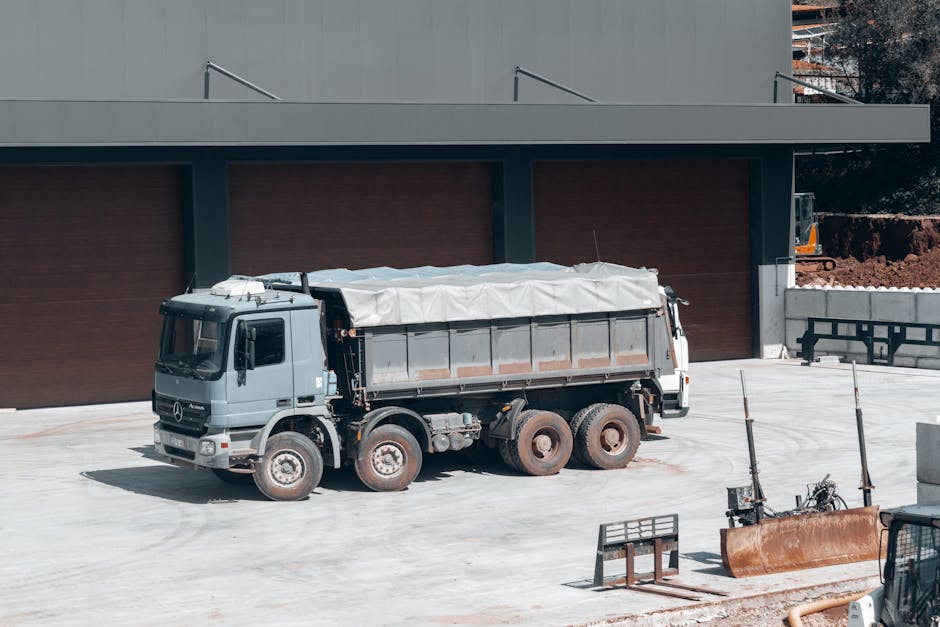
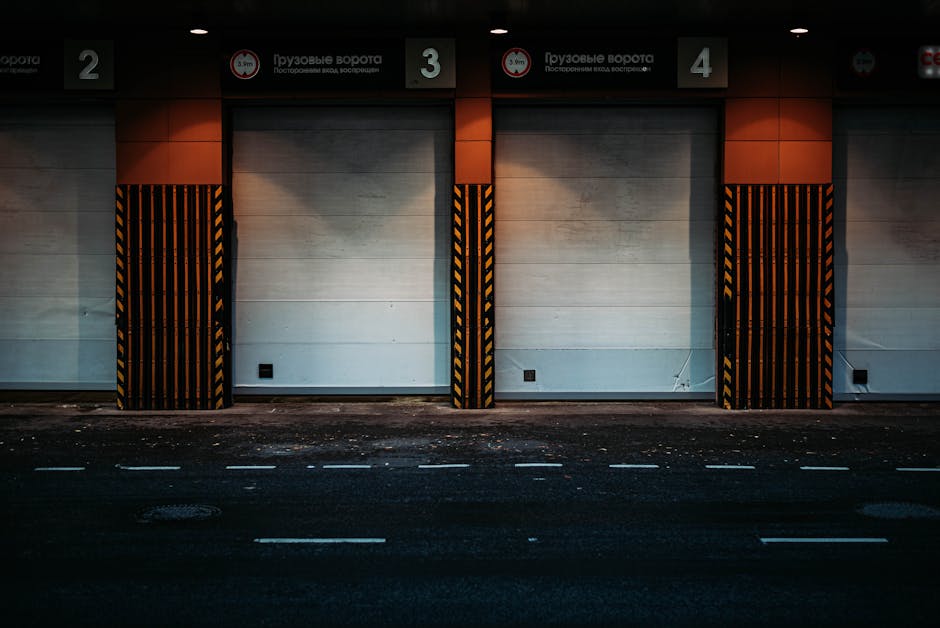
Loading bays exist to give drivers a short-term space to load or unload without blocking traffic. In practical terms, they are there to keep things moving while allowing a delivery, move, or collection to happen safely. But they only help if you use them properly. That means checking where the bay is, whether there are time limits, whether waiting is permitted, and whether other restrictions apply. Simple stuff, yes - but easy to get wrong when you are busy.
For removals, the stakes are higher because furniture does not carry itself. A bad parking choice can mean longer carrying distances, more damage risk, and extra pressure on everyone involved. If you want a calmer moving day, a loading bay plan should be part of the job from the start. It is one of those details people often leave until the last minute. Truth be told, that is where the problems begin.
For more on reducing move-day stress, some readers also find it useful to look at practical advice for a calmer house move and guidance on narrow-road access and van size in HA6.
How Avoid Parking Fines: Loading Bay Solutions in Northwood Works
At its simplest, a loading bay solution is the process of planning, using, and documenting a lawful loading or unloading stop. That may involve a marked bay outside a property, a shared commercial loading area, a permit-based space, or a timed exemption where stopping is allowed for active loading only. The details vary depending on the location, the vehicle, and local restrictions.
The key idea is this: a vehicle is usually safer from enforcement action if it is clearly there for active loading or unloading, the activity is continuous, and the stop is no longer than necessary. That sounds straightforward, but enforcement officers do not guess intent from a polite face. They look for evidence: open doors, people carrying items, and a moving process that is clearly underway. If there is a long pause, a cuppa in the cab, or a van parked while nobody is doing anything, you are into risky territory.
In Northwood, loading bay planning often starts before the move date. You decide where the van will stop, how long the unload should take, and whether the vehicle size fits the bay and the street layout. You also think about the route from van to door. A tiny bay ten metres from the entrance is brilliant. A bay across a busy road, not so much.
There is also a practical side that gets overlooked: the loading bay is not just about parking. It affects speed, safety, and the number of trips required. If you can get closer to the entrance, you can usually reduce handling time and lower the chance of dropped items or strained backs. If you need more lifting advice, this piece on lifting heavier items safely by yourself is a useful companion read.
Key Benefits and Practical Advantages
Using the right loading bay strategy gives you more than protection from fines. It changes the whole shape of the job.
- Less risk of enforcement action: A well-planned loading stop is less likely to be mistaken for casual parking.
- Shorter carrying distances: The closer the vehicle is, the easier it is to move bulky items without damage.
- Faster turnaround: Better access means fewer delays and fewer awkward pauses.
- Lower injury risk: Less distance and fewer repeated lifts can make a real difference.
- Better traffic flow: You are less likely to block neighbours, other drivers, or pedestrians.
- More professional presentation: For business moves and deliveries, tidy access planning simply looks more organised.
There is another advantage that people only appreciate once they have done a few moves. A good loading bay strategy gives everyone confidence. The driver knows where to stop, the team knows the route, and the customer knows the job will not spiral because somebody guessed the parking wrong. That confidence matters. It cuts the mental noise.
If you are shifting a sofa, a freezer, or other bulky household items, access planning matters just as much as the lifting itself. Related advice on sofa handling and storage and protecting a freezer during non-use can help you prepare the items before they even reach the van.
Who This Is For and When It Makes Sense
This topic is not just for removal companies. It is relevant to anyone moving anything that takes time, space, or a bit of planning.
It makes sense if you are:
- moving house from a flat, terrace, or property with limited frontage
- delivering furniture, appliances, or office equipment
- arranging a same-day move where access has to work first time
- moving into or out of a building with a shared loading area
- working in a commercial setting where customer access must stay open
- handling awkward, heavy, or fragile items that cannot be rushed
For students, flat-sharers, and first-time movers, loading bay decisions are often the part nobody thinks about until the last minute. For larger households, the issue is usually timing. You can have everything packed beautifully and still lose the day if the van cannot get close enough. A tidy stack of boxes is useful; a blocked street is not.
If the move involves a flat, upper floor, or tricky entrance, a loading bay becomes even more valuable. It helps reduce the number of extra trips and makes stair work less exhausting. For that kind of move, people often pair access planning with flat removal support in Northwood or advice on lift and access challenges in Moor Park Estate.
Step-by-Step Guidance
Here is a practical way to handle loading bay planning without overcomplicating it.
- Check the property access early. Look at where the van could realistically stop, where the entrance is, and whether there is a proper loading area. Do not assume the obvious spot will be usable.
- Estimate the unload time. Be honest. A one-bedroom flat with a few bags is very different from a three-bed family home with wardrobes, white goods, and a piano. It is better to allow a bit more time than to squeeze the job into a fantasy schedule.
- Match the vehicle to the space. A larger van may reduce trips, but it can also be awkward in a tight Northwood street. Balance access and capacity carefully.
- Prepare the route from van to door. Move bins, loose plants, and anything else that gets in the way. A clear path makes a surprisingly big difference.
- Load the heaviest items first, where sensible. Keep the process organised so the team is not rummaging around while standing in the road.
- Keep unloading continuous. This is important. Loading and unloading should look active, not paused.
- Have a backup plan. If the bay is occupied or restricted on arrival, know where the next legal stopping point is.
One small but useful habit: take a photo of the access point before the move if there is any doubt. It sounds a bit over-cautious, maybe even slightly nerdy, but it helps you remember space, markings, and nearby obstructions when you are making the final call later. We have all had that moment of thinking, "Was the bay actually there, or did I imagine it?"
Expert Tips for Better Results
Small details can save a lot of grief. In our experience, the best loading bay plans are the ones that are boringly organised.
- Start earlier than you think. If you leave parking decisions until the van is already outside, you lose flexibility.
- Keep one person focused on access. Someone should watch the bay, the route, and any restrictions while the others move items.
- Use clear communication. A quick word before each heavy lift is better than shouting halfway through the doorway.
- Pack by priority. Put the items you need first near the back of the vehicle, so you are not forced into a full van shuffle on the pavement.
- Choose sensible time windows. Early mornings can be quieter, but they are not always best for every building or household.
- Protect delicate items properly. Better wrapping means less time spent re-handling fragile things if the access route is longer than expected.
For trickier jobs, it also helps to think about the item itself, not just the parking. A piano, for example, deserves a calm route and experienced handling, not an improvised dash across a bay. If that sounds familiar, why professional piano moving matters is worth a look. Likewise, if the job includes bed frames and mattresses, the right prep can make access work far smoother; see bed and mattress moving tips.
And yes, sometimes a loading bay plan feels like overkill. Then the ticket arrives. Funny how that changes the mood.
Common Mistakes to Avoid
Most parking fines tied to loading bay use are not the result of bad luck. They usually come from predictable mistakes.
- Assuming loading activity gives unlimited time. It rarely does.
- Leaving the vehicle unattended for too long. A short pause is one thing; disappearing inside for ages is another.
- Not checking the bay markings. Some spaces are for specific users, times, or types of vehicles.
- Blocking the route with loose items. This slows the move and can create a safety issue.
- Using a vehicle that is too large for the access point. If the van cannot position properly, the whole plan falls apart.
- Forgetting about neighbours or businesses nearby. A loading bay solution should fit the street, not just your schedule.
- Failing to brief the team. Even a good plan becomes messy if nobody knows where to stop or how long they have.
A quieter but common mistake is underestimating how long furniture takes to clear a doorway. A wide sofa can catch on a corner. A fridge can need a second pause. A wardrobe can refuse to turn, just because. That is why it is smart to keep a little buffer in the timing. Not loads, just enough. The street does not care about your optimistic spreadsheet.
For more on reducing clutter before the move day, readers often like decluttering tactics for an upcoming move and practical packing advice for moving house.
Tools, Resources and Recommendations
You do not need a huge toolkit to use a loading bay well, but a few sensible items make the process much smoother.
- Printed move plan: Keeps the access sequence, arrival time, and item list in one place.
- High-visibility vests or visible clothing: Helpful when moving in busier streets or shared access areas.
- Furniture blankets and straps: Reduce damage and make items easier to handle during short transfers.
- Door wedges and protection pads: Useful for keeping entrances open without scuffing surfaces.
- Phone with enough battery: Obvious, but worth saying. No one wants a dead phone when timing matters.
- Tape measure: Good for checking whether the van, bay, and route really fit the job.
For bigger moves, it also helps to work with people who understand access limitations, vehicle sizing, and how local streets behave at different times of day. Northwood is not always difficult, but it can be selective. A narrow road with two parked cars and a delivery van can suddenly feel smaller than it looked ten minutes earlier.
If you are comparing service types, this can help you think through the wider move structure too: a practical overview of removal services, man and van support in Northwood, and full removals help in Northwood.
Law, Compliance, Standards, or Best Practice
This is the part where people tend to glaze over, but it matters. Parking enforcement is usually based on local traffic restrictions, bay markings, signs, and whether a vehicle is genuinely loading or unloading. The safest approach is to treat every bay as specific, not generic. Just because another van stopped there yesterday does not mean your stop is automatically fine today.
Good practice means:
- reading the signage on arrival, not relying on memory
- keeping loading activity visible and continuous
- not overstaying the purpose of the stop
- avoiding obstruction of traffic, pedestrians, driveways, and access routes
- using the smallest practical footprint for the vehicle and equipment
Health and safety also sits alongside parking. If workers are carrying awkward furniture through a loading bay or across a shared access route, the area should be kept as clear as possible. In a practical sense, this reduces trip hazards, strain injuries, and accidental knocks. The best removals teams think about the movement of people, not just the movement of the van.
For more context on safe working and responsible practice, you may also want to review the company's health and safety policy, insurance and safety approach, and terms and conditions. Those pages do not tell you how to park, of course, but they do help build confidence in how a move is handled overall.
Options, Methods, or Comparison Table
Not every loading situation needs the same approach. Here is a simple comparison to help you choose the right method.
| Method | Best for | Pros | Trade-offs |
|---|---|---|---|
| Formal loading bay use | Busy streets, business deliveries, planned removals | Clear stopping point, easier access, more orderly unload | May have time limits or restrictions |
| Short curbside loading | Quick domestic moves with little volume | Simple and often fast | Can be risky if space is tight or traffic is busy |
| Timed access window | Shared buildings and controlled sites | Predictable use of space | Requires tighter scheduling and punctuality |
| Off-site staging | Large moves or difficult streets | Lets you transfer items in smaller batches | Usually adds handling time |
In plain English: the best option is the one that lets you move safely, quickly, and legally without improvising. If the street is tight, a slightly more structured approach often pays off. If the move is small and the access is easy, a simple stop may be enough. The trick is matching the method to the reality on the ground.
Case Study or Real-World Example
Here is a realistic example from the sort of move many Northwood residents recognise.
A couple moving out of a first-floor flat near a busier road assumed they could park right outside and unload in two quick trips. On the day, a car was already in their chosen spot, and the next available space was farther away than expected. The first plan collapsed before the first box was out. It was a minor drama, but still a drama.
They paused, checked the frontage, and used a nearby loading bay for a short, active unload. That changed everything. The van could stop more cleanly, the route to the entrance became predictable, and the heavier pieces were moved without blocking the pavement for long. They still had a busy morning, but not a chaotic one. No fine, no argument, no awkward note from a neighbour.
The interesting part is what they noticed afterwards: the job felt calmer simply because the access decision had been sorted. The sofa moved first, then the boxes, then the smaller odds and ends. Not fancy. Just organised. If they had done one thing differently, it would have been to plan the loading point before packing the final box, not after.
Practical Checklist
Use this checklist before the van arrives:
- Confirm the exact loading point or nearest legal stopping option.
- Check signage, time restrictions, and any bay markings.
- Measure or visually assess access for the vehicle size.
- Decide who will manage the route from van to door.
- Prepare heavy and fragile items separately.
- Clear obstacles from the path to the property entrance.
- Keep blankets, straps, and basic protection ready.
- Brief everyone on where to carry items and in what order.
- Make sure the loading activity will stay continuous.
- Have a backup plan if the bay is occupied.
- Keep mobile phones charged for timing updates.
- Leave a little buffer in the schedule, because life is rarely as neat as the plan.
Expert summary: The safest loading bay strategy is simple: plan early, use the closest lawful space, keep unloading active, and match the vehicle to the street. That combination prevents most avoidable fines and makes the move feel much more controlled.
Conclusion
If you want to avoid parking fines during a move or delivery in Northwood, loading bay planning should be treated as a core part of the job, not a side note. The right stopping point saves time, reduces strain, keeps the street flowing, and helps everyone stay calmer. It also shows a bit of respect for the area, which never hurts in a place where space is at a premium.
The main lesson is refreshingly plain: know where the vehicle can stop, keep the unloading process active, and think through the route before the first box is lifted. That alone prevents a lot of frustration. And if the move is bigger, tighter, or more awkward than expected, getting access right becomes even more valuable. One good decision at the kerb can make the rest of the day feel a lot lighter.
Get a free quote today and see how much you can save.
And if you are still in planning mode, take your time. A careful move is usually a better move, even if it is not the fastest one on paper.
Frequently Asked Questions
What is a loading bay solution in Northwood?
It is a practical plan for using a lawful stopping point to load or unload items safely without causing unnecessary disruption or risking a parking fine.
Can I stop in a loading bay while moving house?
Usually yes, if the stop is genuinely for active loading or unloading and you follow the bay's restrictions. The details depend on the signs and local rules.
How do I avoid parking fines during a move?
Check restrictions before arrival, use the nearest legal loading space, keep the unloading process continuous, and avoid leaving the vehicle unattended for too long.
Do loading bays have time limits?
Often they do. Some bays are for short stays only, while others operate at specific times. Always read the sign on the spot rather than assuming.
What if the loading bay is already occupied?
Have a backup plan before the move starts. A second legal stopping option nearby can prevent delays and reduce the temptation to park somewhere risky.
Is a bigger van better for loading bay use?
Not always. A larger van may hold more, but it can be awkward in a narrow street or tight access point. The right size depends on the route and the property.
Are loading bays useful for flat moves?
Very much so. Flat moves often involve more carrying, so a closer, lawful stopping point can reduce both time and physical strain.
Can removal teams help with parking and access planning?
Yes, experienced removal teams often help assess access, vehicle size, and loading timing so the move runs more smoothly from the start.
What should I bring to a loading bay move?
At minimum, a move plan, tape measure, packing materials, protective blankets, straps, and a charged phone. A bit of preparation goes a long way.
Does active loading really matter if I am only gone for a minute?
It does. Enforcement looks at what the vehicle is doing, not just how long you were absent. Even short interruptions can become an issue if the stop looks inactive.
How do I plan for awkward or heavy items?
Measure the item, check the access route, and make sure the loading point is as close as practical. For especially awkward pieces, detailed prep matters more than usual.
Where can I learn more about move preparation in Northwood?
Useful supporting reads include articles on packing efficiently for a house move, pre-move cleaning, and decluttering before moving day.